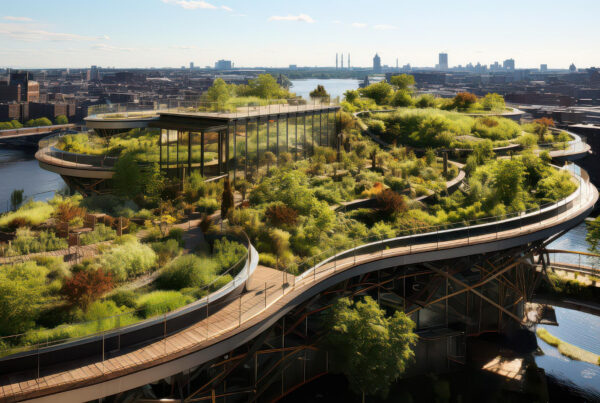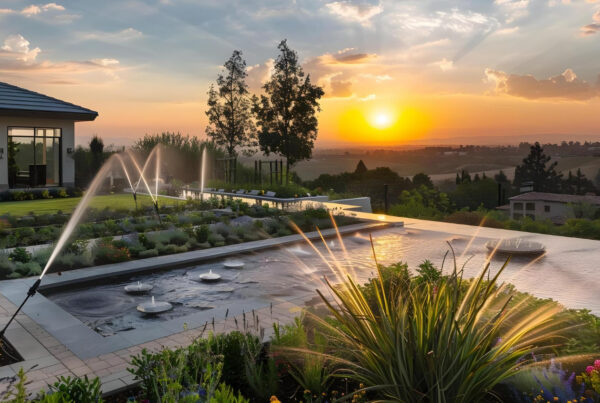

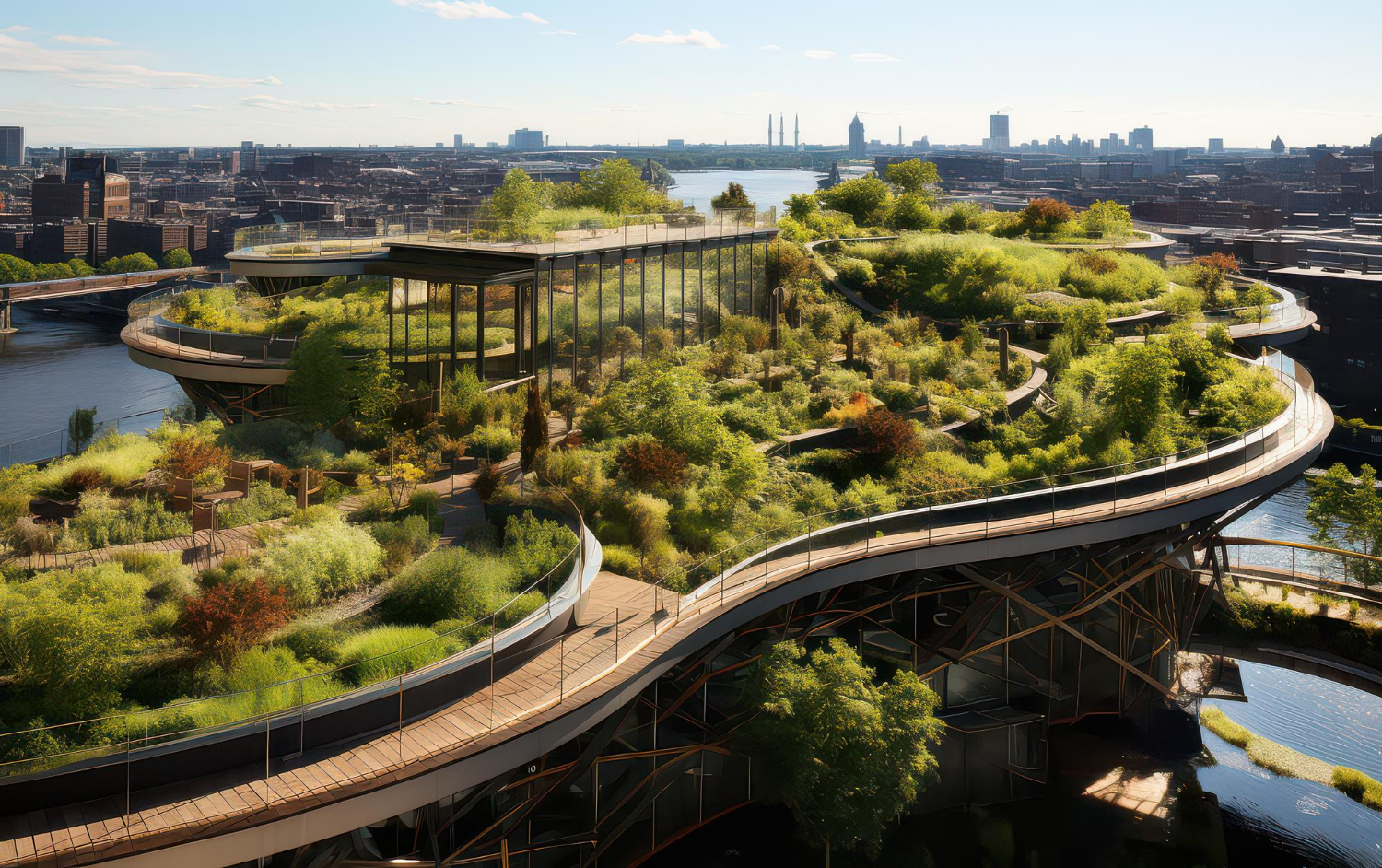
Most developments are assessed on what is built above ground. The towers, the facades, etc. But what holds a development together, what makes people want to stay and return, is often determined by what sits between and around those structures.
Landscape infrastructure is not a finishing touch. It is a performance layer. And in markets where quality of life is becoming a competitive differentiator, the outdoor environment has moved from the background to the foreground of decision-making.
At The Landscape Company, we work at the intersection of environmental thinking and urban delivery. Across commercial landscaping, hospitality, real estate, and public space development, we see how the quality of outdoor systems shapes community outcomes long after handover. The discussion below examines why that matters, and what developers and project teams should understand before they reach the final stages of a build.
What Is Landscape Infrastructure?
The term gets used loosely, but its meaning is specific. Landscape infrastructure refers to the integrated outdoor systems of a development. This includes planting, irrigation, drainage, shading, paving, public realm furniture, and the green corridors that connect them. These are not decorative elements. They are functional systems that regulate climate, manage water, direct movement, and define how a place is experienced.
Unlike a single design feature, landscape infrastructure operates as a network. Each component of a landscape has a role, and together, they determine whether a development performs or simply exists.
Why Landscape Infrastructure Matters for Modern Developments
The expectations placed on urban development projects have changed considerably. Developers are no longer assessed on built area alone. Regulators, investors, and end users now factor in liveability, environmental performance, and long-term operational cost. Landscape infrastructure sits at the centre of all three.
In the Gulf region specifically, where extreme heat is a defining condition, the outdoor environment either works with occupants or against them. According to the U.S. EPA, trees and vegetation lower surface and air temperatures through shade and evapotranspiration, directly reducing heat island effects in dense urban areas. In a climate like Saudi Arabia’s, that is not a minor benefit. But it is the difference between an outdoor space that is used and one that is abandoned for most of the year.
The Role of Landscape Infrastructure in Large-Scale Developments
At scale, the role of landscape infrastructure in urban development becomes especially pronounced. Large-scale projects, whether mixed-use districts, giga-projects, or master-planned communities, require outdoor systems that can absorb heavy footfall, manage microclimate across varied zones, and maintain their performance over years of use. This is not something that can be addressed late in the project cycle. It needs to be integrated from the planning stage, with technical depth and regional material knowledge driving the specification process.
How Landscape Infrastructure Increases Community Value
A well-designed outdoor environment changes how a development is perceived, priced, and occupied. It shapes the day-to-day experience of residents, workers, and visitors in ways that interior finishes simply cannot replicate.
The connection between outdoor quality and community value is well-documented, and it shows up across several dimensions, such as:
Enhancing Property and Land Value
Research consistently links green infrastructure to higher property values in surrounding areas. Well-maintained, thoughtfully designed outdoor spaces signal quality and care, which translates directly into how buyers, tenants, and investors assess a site. In the context of Vision 2030 developments, where liveable urban environments are a stated national priority, landscape quality has become a tangible valuation factor.
Strengthening Community Identity
Outdoor environments are where communities form. Plazas, tree-lined streets, active parks, and shaded gathering spaces give people reasons to be present in a place, and to return. Thoughtful landscape planning creates environments that become the heart of vibrant, thriving communities, precisely because they anchor shared activity rather than just filling space between buildings.
Attracting Residents, Businesses, and Visitors
The quality of the outdoor environment is now a selection criterion for commercial tenants, residential buyers, and hospitality operators. Sustainable urban development that invests in activated public realm, shade, planting, and pedestrian experience draws higher-value occupants and generates stronger footfall, particularly in retail and entertainment districts.
The Impact of Landscape Infrastructure on Asset Performance
Beyond community value, landscape systems have a measurable effect on how a development performs as a long-term asset. This is increasingly relevant to institutional investors and large-scale operators who evaluate lifecycle costs alongside capital value.
The benefits of landscape infrastructure extend well beyond aesthetics, and are best understood through the following elements:
Extending Asset Lifecycle
Vegetation, permeable surfaces, and green buffers protect built infrastructure from thermal stress, wind, and moisture. Shaded surfaces degrade more slowly. Buildings surrounded by well-planted environments experience lower facade and material wear, reducing maintenance cycles over time.
Improving Operational Efficiency
A cooler microclimate, created through strategic tree canopy and softscape placement, reduces the cooling load on adjacent buildings. Over the life of a development, this effect compounds into significant energy savings. Smart irrigation systems add a further efficiency layer by minimising water consumption without compromising plant health.
Supporting Environmental Performance Targets
Developers targeting green building certifications or ESG compliance need outdoor systems that contribute measurable environmental outcomes. Landscape solutions for large developments that integrate stormwater management, biodiversity planting, and heat reduction directly support certification thresholds and reporting requirements.
Key Components of High-Performance Landscape Infrastructure
The performance of any landscape system depends on the quality and integration of its individual components.
Each of the following elements plays a specific technical and experiential role within a well-designed outdoor environment.
Smart Irrigation Systems
In the Gulf climate, irrigation is not optional. But how it is managed determines whether a development’s landscaping remains healthy or becomes a liability. Smart irrigation systems use sensor data and scheduling logic to deliver water precisely, reducing waste and maintaining consistent plant performance across large site areas.
Sustainable Softscape Design
Plant selection for the Saudi and Gulf environment requires species that can withstand high temperatures, low rainfall, and intense solar radiation. Sustainable softscape design prioritises climate-adapted planting palettes that reduce irrigation demand, provide ecological value, and maintain visual quality across seasons.
Hardscape and Public Realm Features
Paving, seating, water features, wayfinding, and pedestrian infrastructure shape how people move through and inhabit outdoor spaces. Hardscape should be specified to manage heat absorption, support accessibility, and withstand heavy public use without rapid deterioration.
Urban Shade and Cooling Solutions
In high-heat environments, shade is a prerequisite for outdoor usability, not a design luxury. Pergolas, tree canopies, shade sails, and architectural screens must be positioned to provide meaningful thermal relief along key pedestrian routes and gathering zones, making the difference between an activated space and an empty one.
What Developers and Contractors Should Consider During Project Planning
Landscape infrastructure should enter the project brief at the masterplan stage. The position of green corridors, shading routes, and drainage systems affects structural decisions, servicing layouts, and the spatial logic of a development. Introducing landscape thinking late creates conflicts that are expensive to resolve and often result in compromised outcomes.
Specification quality also matters. Commercial landscaping at scale requires suppliers, materials, and execution teams that have proven experience in the regional climate. The Gulf environment places specific demands on plant stock, irrigation hardware, and surface materials. Developers working within Vision 2030 developments should treat landscape procurement with the same rigour applied to MEP and structural packages.
Conclusion
Landscape infrastructure is a measurable asset. It reduces operational costs, raises property values, extends the lifecycle of built components, and creates the kind of outdoor environments that make developments genuinely attractive to the people who use them. In a market evolving as rapidly as Saudi Arabia’s, where the quality bar continues to rise, the outdoor environment is no longer peripheral. It is central to how projects are valued and how they perform over time.
The Landscape Company brings together a network of reputable suppliers, an expert leadership team, and a highly skilled execution crew to deliver urban landscape design services across Saudi Arabia and the Gulf region. We work on large-scale commercial, hospitality, and real estate developments where precision, climate knowledge, and long-term performance are non-negotiable. If you are in the planning stages of a major development, we are ready to contribute at the level that matters most.
FAQs
1. What is landscape infrastructure in urban development?
Landscape infrastructure refers to the integrated outdoor systems within a development, including planting, irrigation, drainage, shading, paving, and public spaces that work together to support functionality and user experience. Unlike decorative landscaping, it plays a strategic role in environmental performance, movement, comfort, and long-term asset value.
2. How does landscape infrastructure improve asset performance?
Landscape infrastructure improves asset performance by reducing environmental stress on buildings, lowering maintenance requirements, and supporting more efficient operations over time. Features such as shading, climate-adapted planting, and smart irrigation can also help reduce energy and water consumption across a development.
3. Can landscape infrastructure increase property values?
Yes, high-quality landscape infrastructure can enhance the appeal, usability, and perception of a development, making it more attractive to buyers, tenants, and investors. Well-designed outdoor environments are often associated with stronger demand and higher property values.
4. How does landscape infrastructure improve quality of life in communities?
Landscape infrastructure creates comfortable, accessible outdoor spaces where people can gather, walk, exercise, and spend time throughout the day. These environments encourage social interaction, improve wellbeing, and help foster a stronger sense of community.
5. How do landscape infrastructure projects attract residents, businesses, and visitors?
Developments with well-planned outdoor environments offer a more enjoyable and functional experience, making them more appealing to residents, commercial tenants, and visitors. Features such as shaded walkways, public gathering spaces, and attractive green areas can increase footfall and long-term occupancy.
6. What is the ROI of investing in landscape infrastructure for large developments?
The return on investment comes through a combination of higher property values, stronger tenant demand, lower operating costs, and extended asset lifespan. Over time, quality landscape infrastructure can deliver both financial benefits and improved project performance compared to developments with minimal outdoor investment.