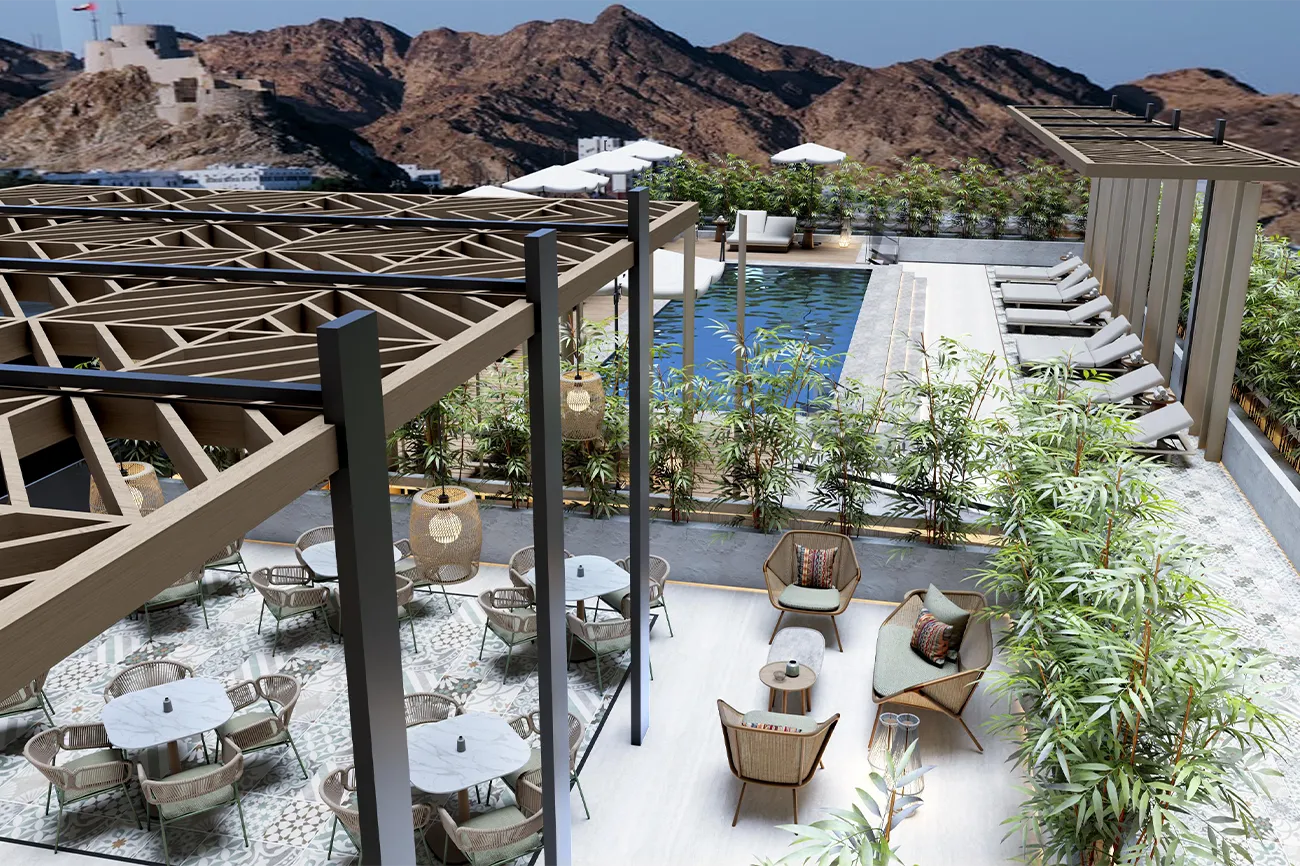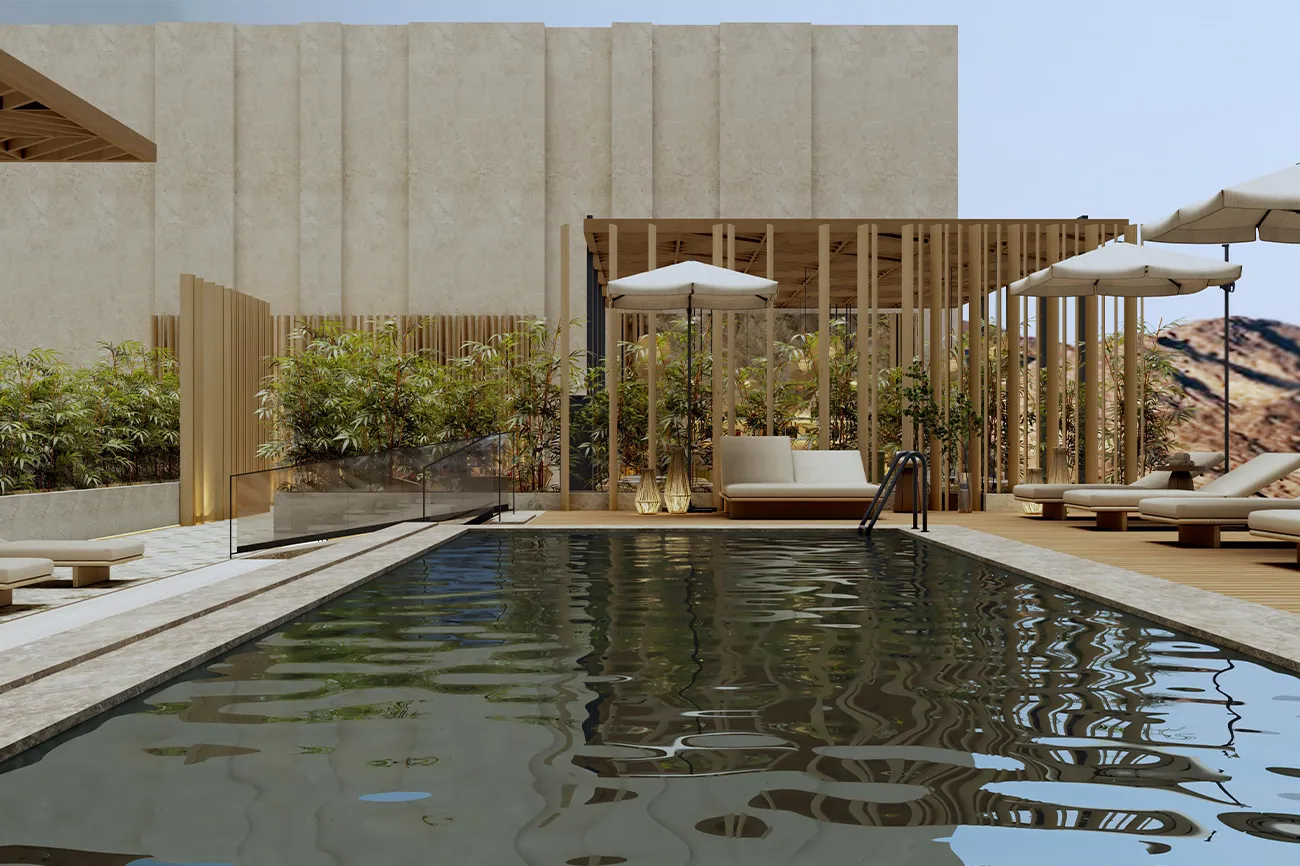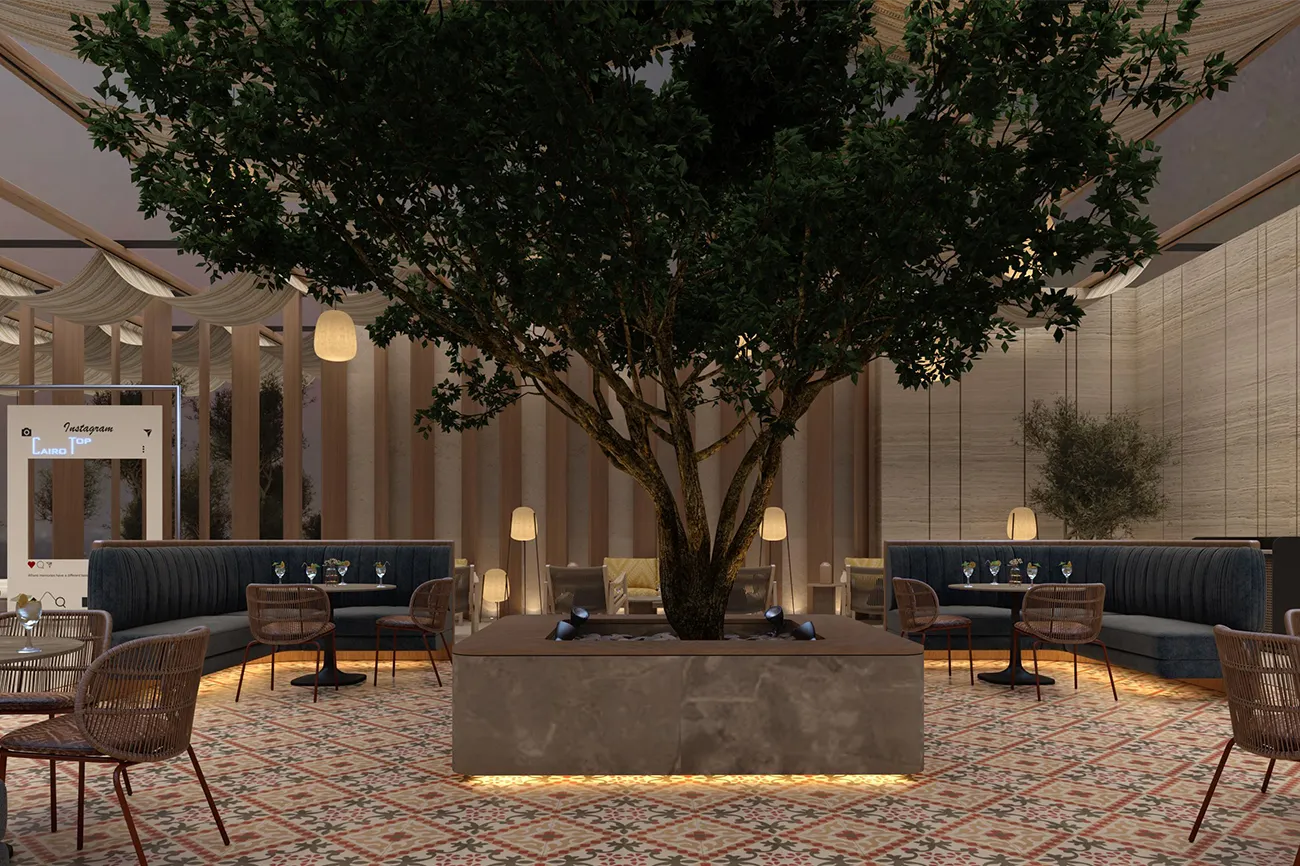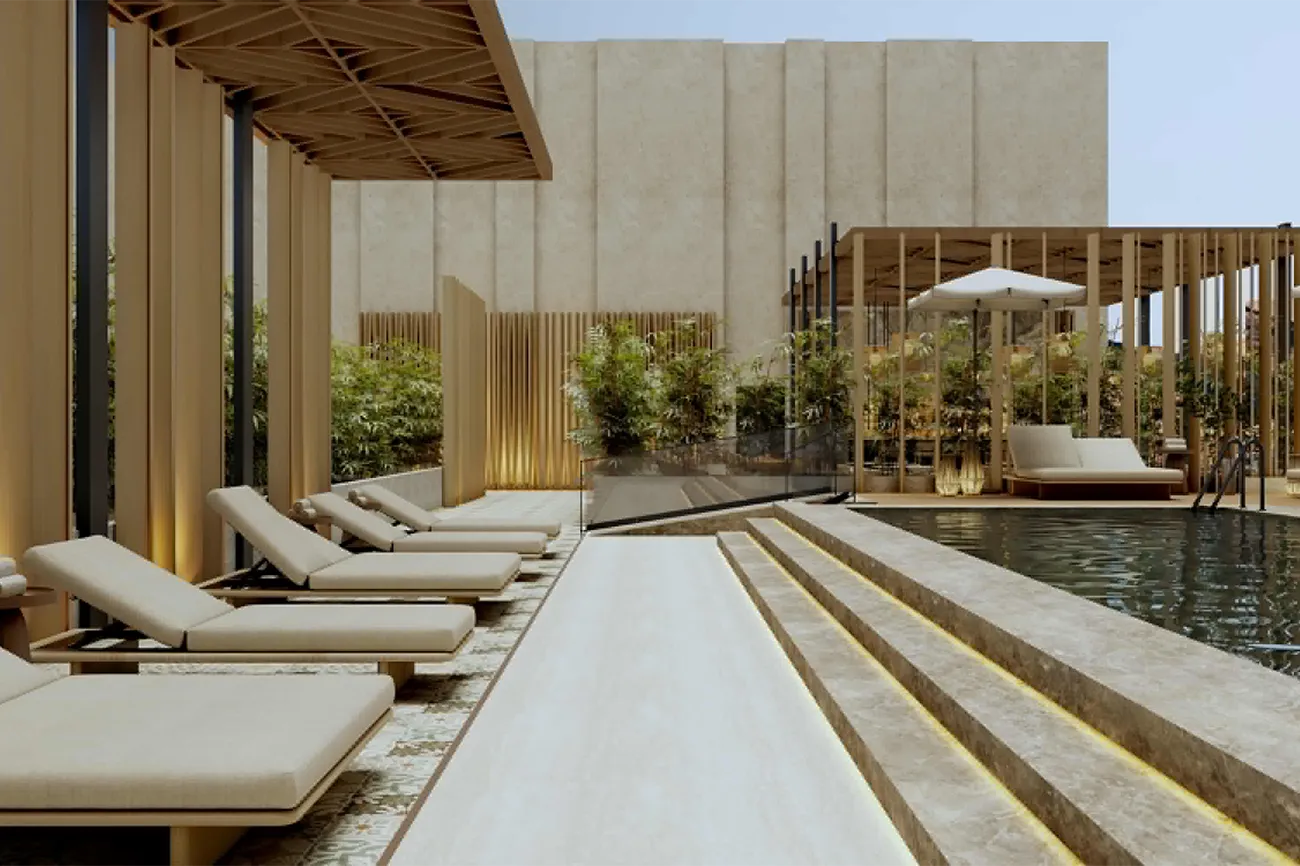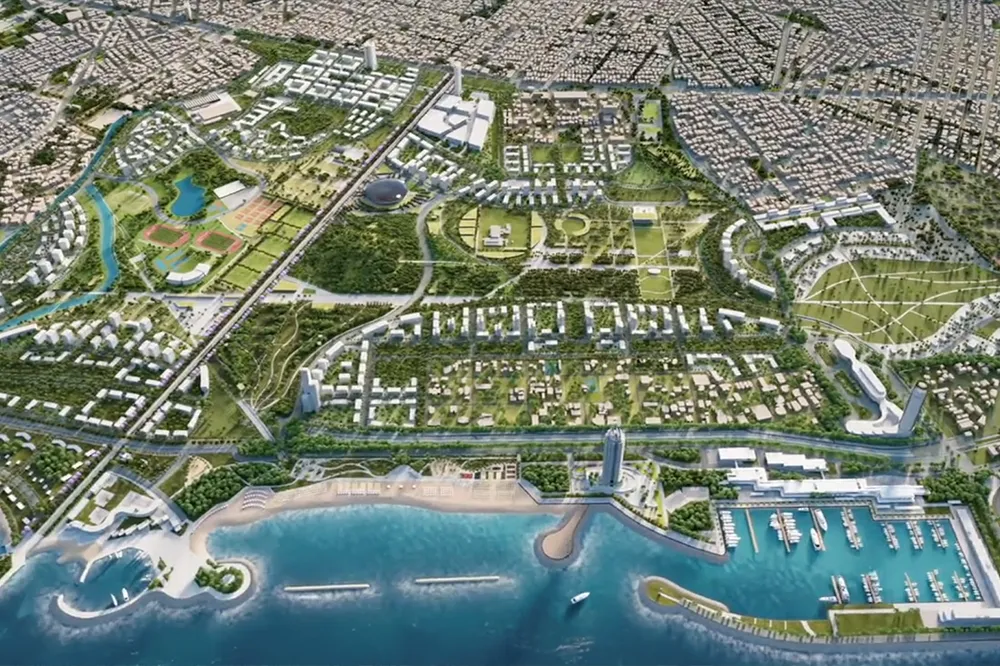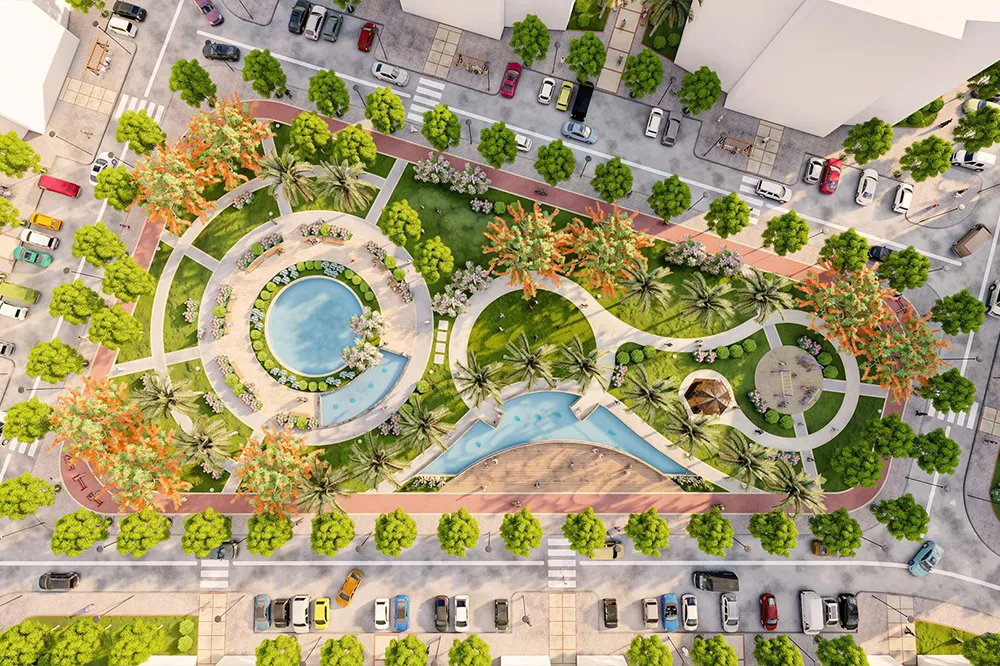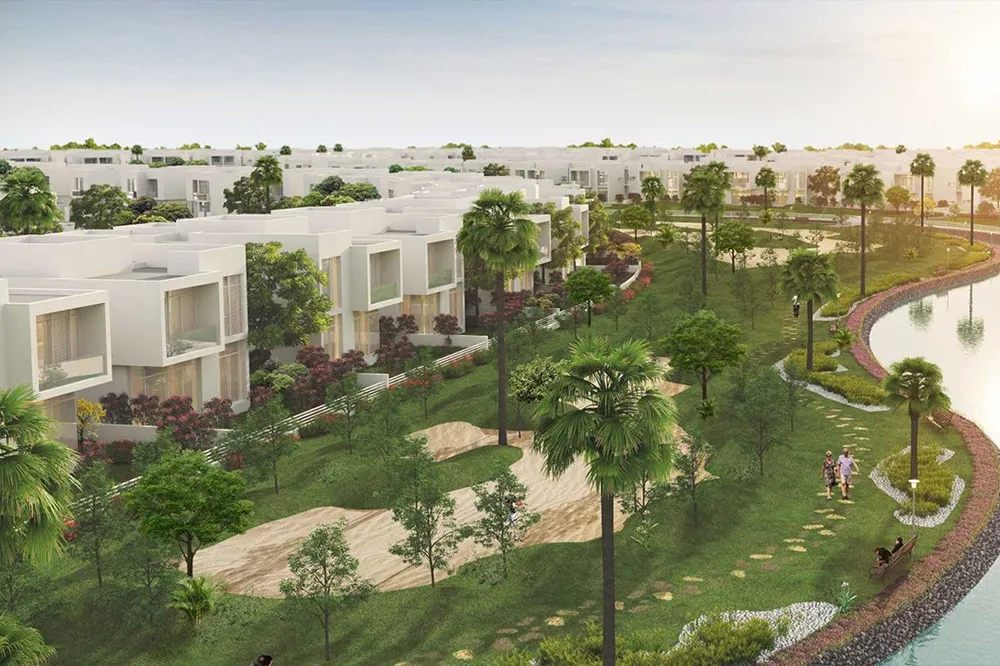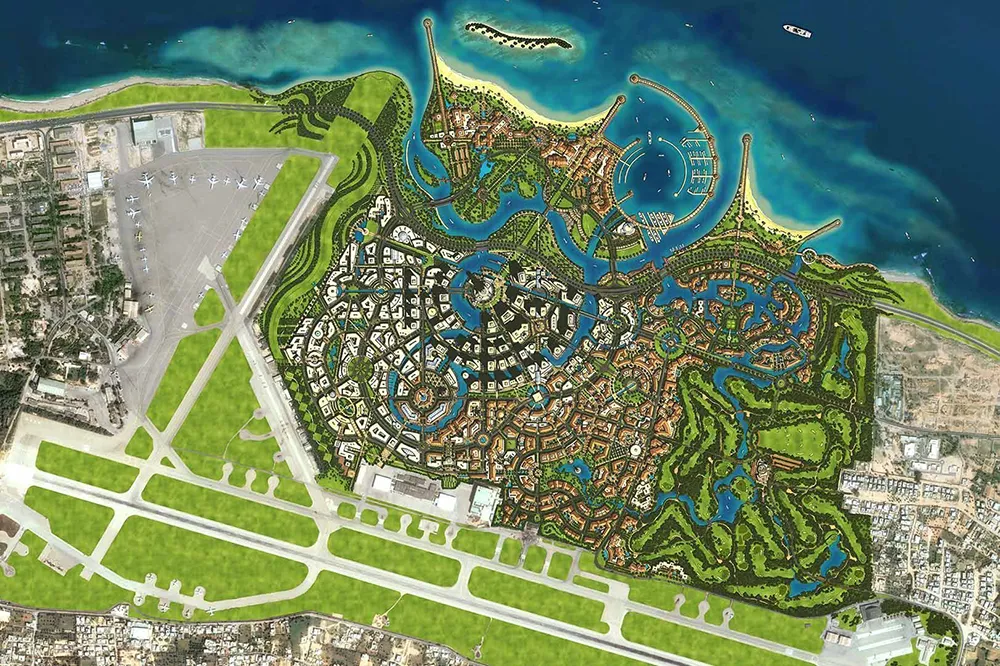

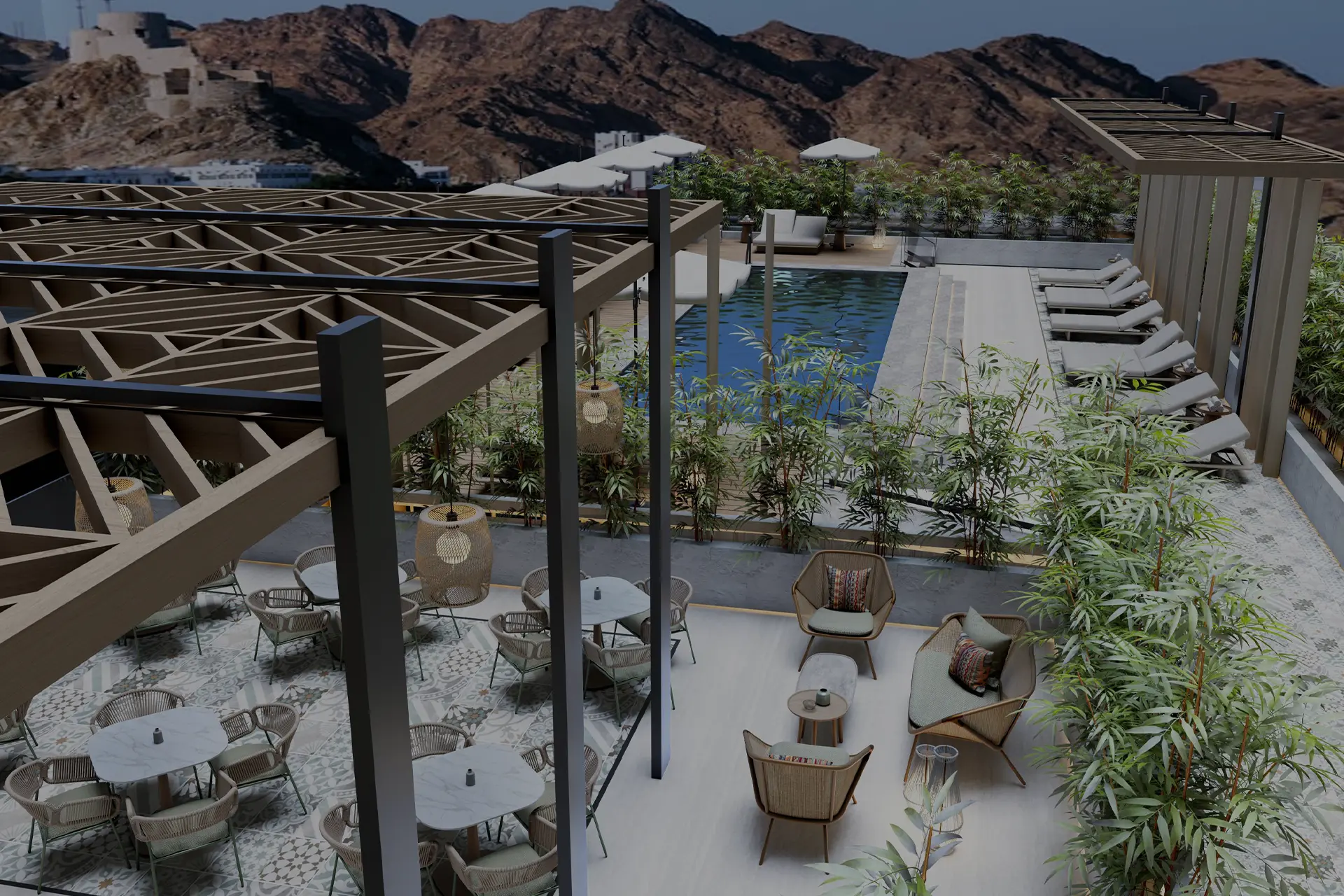
Our team delivers cohesive landscape and infrastructure solutions that balance creative design with technical rigor. From initial concept through to final construction documentation, we ensure every project integrates functional requirements, aesthetic value, and sustainable practices. By utilizing expert BIM design services, we maintain high-level coordination across all disciplines to minimize discrepancies and ensure a smooth transition from design to delivery.
Integrated Excellence through Expert BIM Design Services
Let’s build something great together
Our BIM Workflow
Our BIM Design and Landscape Architecture Services
BIM Design and Landscape Architecture

Building Information Modeling (BIM)
Development of intelligent 3D models with embedded data to support design coordination, clash detection, and efficient BIM construction planning.

Civil & Hardscape Design
Planning of site infrastructure, including grading, paving, retaining systems, and structural landscape elements, coordinated through BIM architecture workflows.

Soft Landscape Design
Strategically planned planting layouts developed in response to site climate, ecological conditions, and aesthetic intent, supporting biodiversity and long-term landscape sustainability.

Water Features Design
Concept and technical design of fountains, ponds, cascades, and interactive water elements integrated within the overall landscape environment.

Outdoor Lighting Design
Functional and decorative lighting concepts designed to enhance safety and atmosphere, developed through BIM design to ensure accurate positioning and seamless integration across the landscape.
Get Started
Let’s transform your vision into a fully coordinated outdoor environment with smart design.
Request a Consultation
Why BIM Matters
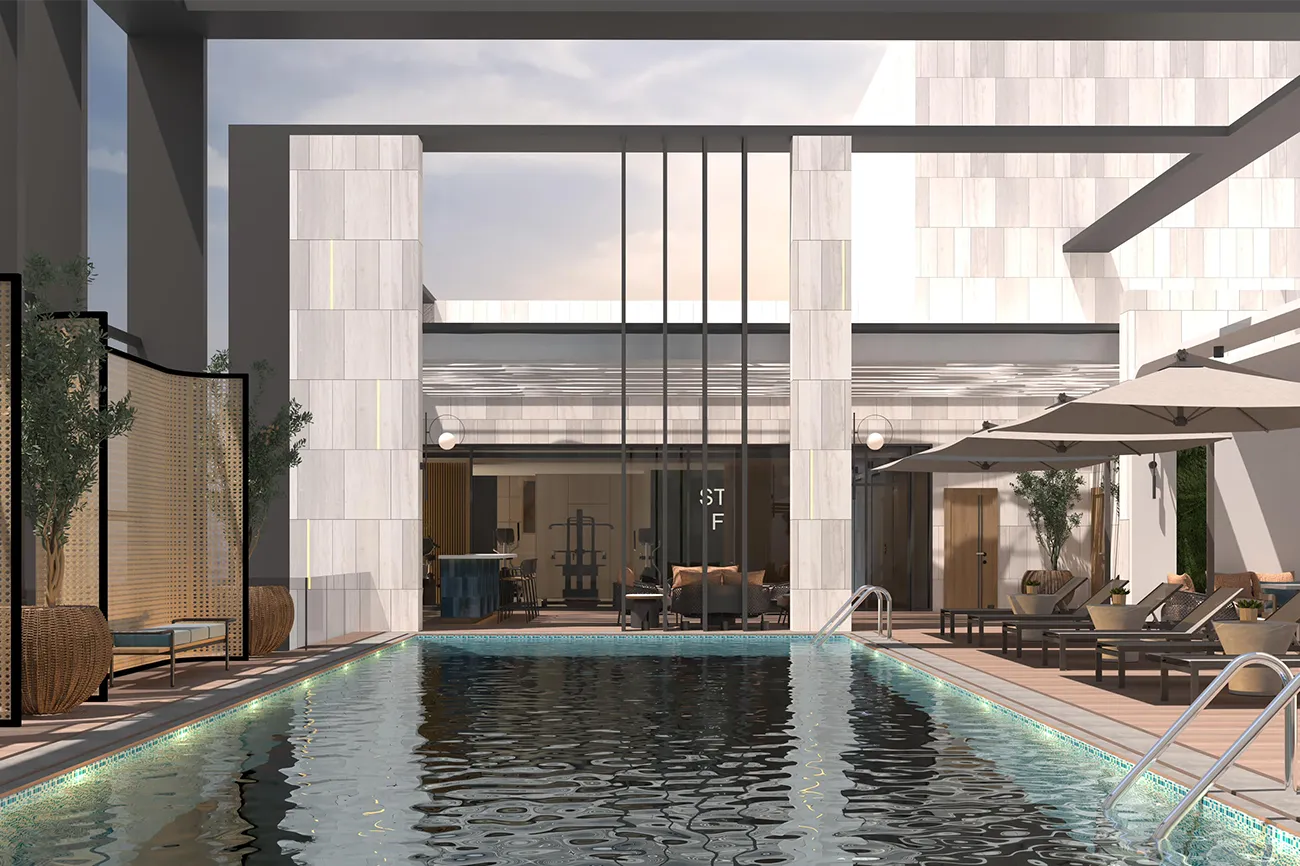
Scope Includes
Pre-Concept Design
Site studies and strategic analysis to inform initial planning and align with client goals.
Concept Design
Development of layout strategies, visual language, and preliminary material selection.
Schematic Design
Refinement of the concept into clear diagrams, plans, and visuals defining design intent.
Design and Design Development
Detailed design work including technical systems, material definition, and integration with all project elements.
Engineering Drawings, Forms, Material Submittals & Templates
Preparation of full documentation packages for tendering, construction, and client approvals.
Coordination with MEP, Structural and other Disciplines
Collaborative alignment with mechanical, electrical, and structural teams to ensure seamless execution and integration.
Tools & Technologies We Use
Our design and engineering teams work with advanced digital platforms that support precise modeling, coordination, and documentation throughout the project lifecycle.
Autodesk Revit
Primary platform used for developing intelligent BIM models that support coordinated design development, detailed documentation, and accurate data integration across landscape and infrastructure elements.
AutoCAD & Civil 3D
Used for site planning, grading design, and technical documentation. These tools support the development of precise landscape layouts and infrastructure drawings aligned with project engineering requirements.
Navisworks
Applied for model coordination and clash detection across architectural, landscape, and engineering systems. This platform strengthens project oversight and supports effective BIM construction management.
Lumion / Enscape
Visualization tools used to create realistic renderings and walkthroughs, helping clients understand spatial relationships, materials, and overall landscape design intent.
Adobe Creative Suite
Used for professional presentations, visual documentation, and design communication to support clear project reviews and stakeholder collaboration.
Why Work With Us
1
Specialized BIM and Landscape Expertise
Our team includes experienced BIM engineers and landscape design professionals who understand the technical and environmental requirements of large-scale outdoor developments.
2
Design-Led, Technically Precise Solutions
We combine strong design thinking with structured BIM design services, ensuring every landscape concept is translated into clear, buildable documentation.
3
Context-Driven and Sustainable Design
Our landscape strategies are developed around local climate, ecology, and long-term performance, creating environments that remain sustainable and functional over time.
4
Integrated Project Coordination
Through structured BIM project management, we maintain consistent collaboration between architects, engineers, and contractors, supporting smoother project execution and reduced design conflicts.
FAQs
Plan Smarter. Design Better. Build with Confidence.
Our BIM-driven design approach ensures accurate coordination, efficient construction planning, and landscapes built exactly as envisioned.
What is BIM technology?
BIM technology (Building Information Modeling) is a digital process used to create intelligent 3D models of buildings and infrastructure. These models contain detailed data about design, materials, and systems, helping project teams visualize, coordinate, and plan construction more efficiently.
What does BIM stand for in the construction industry?
BIM stands for Building Information Modeling, a process used to create and manage digital representations of buildings and infrastructure throughout the design and construction lifecycle.
How is BIM used in construction?
BIM is used to visualize projects in 3D, detect design conflicts, coordinate between disciplines, and plan construction activities. This helps reduce errors, improve collaboration, and streamline project delivery.
Which software is used in BIM?
Common BIM software includes Autodesk Revit, Navisworks, and AutoCAD Civil 3D. These tools help teams create detailed models, detect clashes, and manage project data throughout the design and construction process.
What are the four pillars of BIM?
The four pillars of BIM are collaboration, information management, technology, and standardized processes. Together, they ensure accurate data sharing, efficient workflows, and better coordination across project teams.